Exosomes in Cosmetics: Understanding Labels and Formulas
 Share
Share 
Cosmetic chemistry for geeks) Or why studying chemistry is closer to learning a language
For example, how do you find “real exosomes” on a label? We start with the most important thing – context. Exosomes are used both in cosmetics and in medical devices. And each of these areas operates under its own rules and regulations.
Exosome
On a label, this word serves as a marker for the presence of exosomes. However, we need to consider the nuances.
Most ingredients registered under such an INCI* are related to medical devices. In most cases, their source is animal or human. For example, Human Platelet Exosomes are derived from human blood platelets, while Chicken Embryonic Egg Exosomes are obtained from mesenchymal cells of a chicken embryo.
Today, almost everything on this list is prohibited for cosmetic products (with the exception of Milk Exosomes).
*INCI (International Nomenclature of Cosmetic Ingredients) is an international system of standardized names for cosmetic ingredients, developed to unify labeling on packaging worldwide. It is based on Latin and English, allowing consumers and professionals to identify the exact composition, avoid allergens, and compare products.
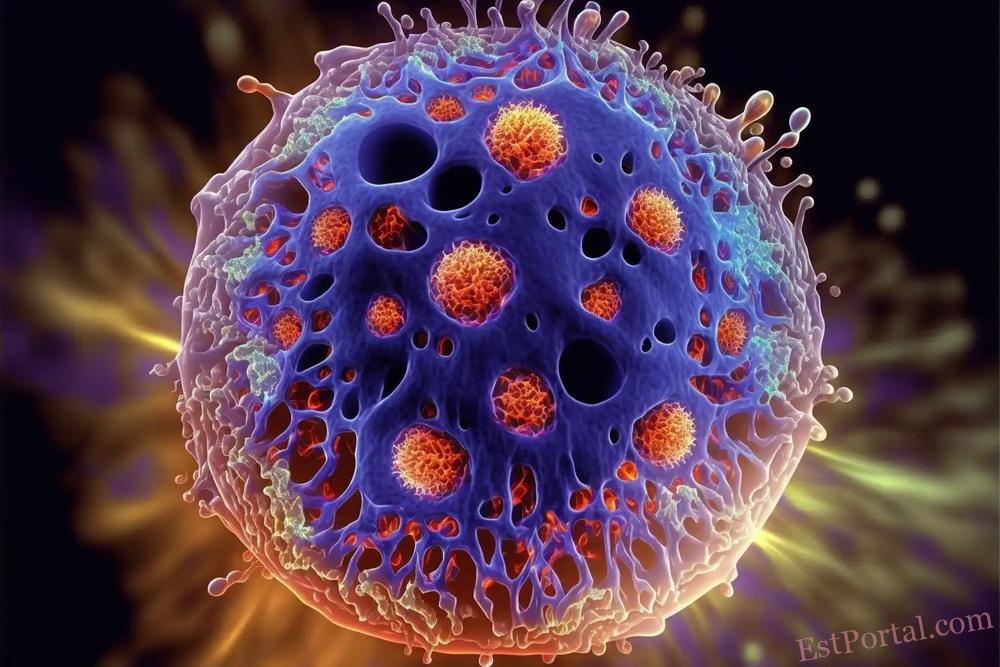
Extracellular Vesicles
These terms are used in scientific literature. They are the keywords you should search in PubMed,rather than the word exosome.
They are most commonly used to label exosomes of microbial and plant origin. And only this type of origin is allowed in cosmetic products.
This indicates that the cell released an intracellular vesicle – a “bubble.” Literally, it turned part of the cell outward. Example – Centella Asiatica Callus Extracellular Vesicles.
Vesicles
Well! Here we have a stand-alone word. And with it, things may not be so straightforward. The term “vesicle” is not always a marker of exosomes. Sometimes it simply means that a “bubble” was released from the cell – not from its internal compartment, but from another part. For example, Camellia Japonica Flower Vesicles are microstructures rich in polyphenols, flavonoids, and fatty acids.
Exosomes as Schrödinger’s cat
Sometimes a manufacturer communicates about exosomes in the product description, yet there are no “code words” on the label. In such cases, we are most likely dealing with regulatory rules.
According to the recommendations of the Personal Care Products Council (PCPC)*, if a chemical compound in a mixture (extract) is not dominant, it is declared as an extract with the source of origin specified.
For example, the content of exosomal vesicles in a goji stem cell culture extract does not exceed 50%. Therefore, in the international nomenclature published in the Cosmetic Ingredient Dictionary and Handbook, this component is listed under INCI as Lycium Barbarum Callus Culture Extract. If a callus was not used, it may instead appear as Centella Asiatica Leaf Extract.
*The Personal Care Products Council (PCPC) is a leading U.S. industry association representing companies that manufacture and distribute cosmetics and personal care products. It develops quality standards, participates in technical regulation, provides scientific safety assessments of ingredients, and interacts with regulatory authorities.
*The Cosmetic Ingredient Dictionary and Handbook, prepared by the Personal Care Products Council, is an authoritative source containing standardized names (INCI) for cosmetic components. It ensures transparency of ingredient declarations by allowing the identification of ingredients, including waxes, oils, and pigments, in Latin terminology.
Why should we believe it?
The only way to confirm that an extract of centella leaf truly contains exosomes is through the accompanying documentation provided by the manufacturer. An ordinary consumer does not have access to these documents. Often, neither does the cosmetic distributor. However, if such a claim appears on the label, market surveillance authorities worldwide have the right to verify the validity of the advertising statement. And they do, by the way)
How do they penetrate?
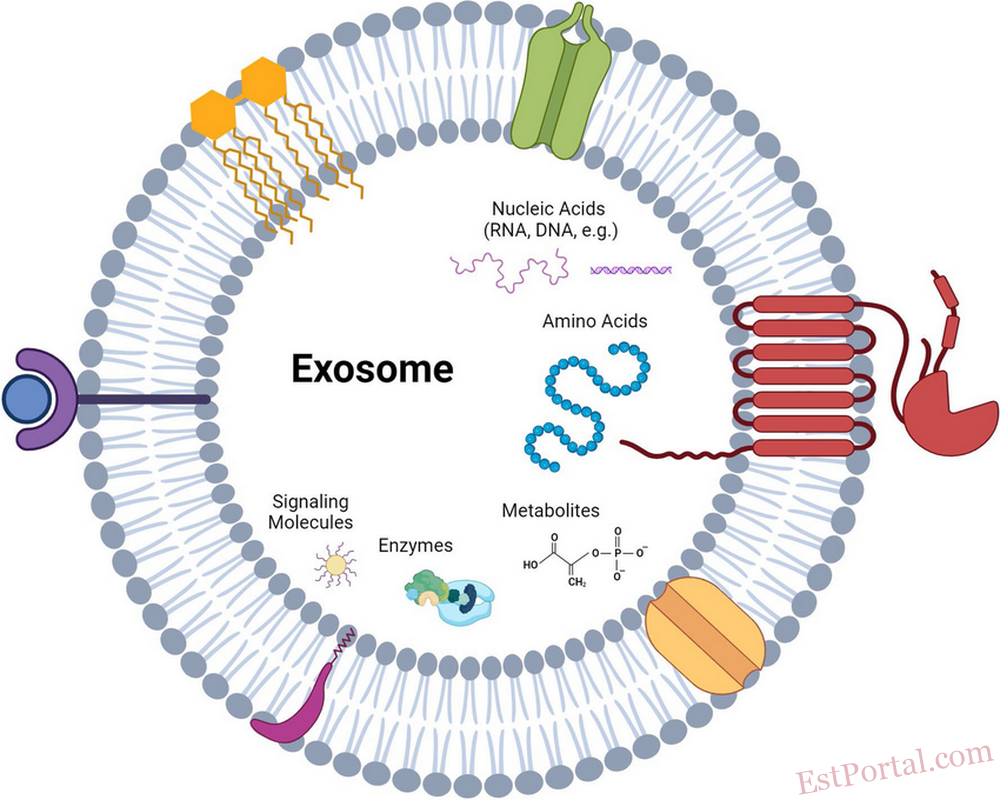
Exosomes of any origin have a very large molecular weight – 30–150 kDa or 30,000–150,000 Da. In short, a “grand piano that won’t fit through the door.” That is why they are typically recommended for delivery via devices or injections.

So how do they “fit” into cosmetics?
Here the question should be divided into two parts: how and where.
It is more important to start with “where.” Cosmetic products are not allowed to penetrate the dermis or alter biological processes in the human body. That is the prerogative of medicines and medical devices. Therefore, cosmetics must not reach the dermis.
“The vertebral right”
If a cosmetic product reaches the level of keratinocytes – the living cells on the surface of the skin – this is considered acceptable. And then the “vertebral right” comes into play: keratinocytes have “buttons” that a plant-derived exosome can press. This triggers a response from the body’s own cells, which release their own keratinocyte exosomes. Those, in turn, move deeper and communicate with deeper skin cells.
How
This is the second part of the question. In cosmetic chemistry, the transport of peptides, vitamins, and exosomes is facilitated in the same way – through delivery systems. That is why in exosomal complexes we see components such as Lecithin and Phospholipids, as well as enhancers like Butylene Glycol and 1,2-Hexanediol.
What I predict
Most likely, over time exosomes will become a leading delivery format, competing with liposomes. Bioengineers are already assembling exosomes-like delivery systems. Just look at the INCI fantasy of such a system – Aqua (and) Beta-Sitosterol (and) Phenylpropanol (and) Cetrimonium Chloride (and) Phytosphingosine (and) Acetyl Tetrapeptide-3 (and) Glycerin (and) Phosphatidylcholine (and) Mannitol (and) Methylpropanediol (and) Caprylyl Glycol (and) Potassium Sorbate (and) Ethylhexylglycerin (and) Sorbitan Oleate.
And how can AI explain these nuances to you? It can’t) It will generate quick and clear lists. And they will resemble random word substitutions, like translating a foreign term without understanding its context. Language models have more or less learned to translate words, but when it comes to chemistry, they are still at the level of “you-me-love.”
Where to look for information?
- What is allowed or prohibited for cosmetics in the EU (and Ukraine) – CosIng (Cosmetic Ingredients Database).
- What’s new in science – the journal Journal of Extracellular Vesicles.
- If you’d like to dive deeper into formulations and context – my course “Cosmetic Chemistry” on the Skinstory Education platform. I often use cats as illustrative material in my lectures))
Author: Julia GAGARINA – chemist and cosmetic product development technologist. Co-founder & Brand Developer at Resens Ukraine, Co-founder at Laborantki. Former Lead Product Development Specialist at Ecolife and Elfa Laboratory LLC
Translation: Nataliya CHAYKA – Editor-in-Chief of ESTportal