Powder Brows: a Blessing or a Curse?
 Share
Share 
Recently, trends in the world of fashion and beauty have been increasingly shifting toward naturalness. Nude shades of decorative cosmetics that are close to the natural color of the lips and eyebrows are what’s in fashion today. The classic eyebrow tattoo (with a clear contour and solid fill), familiar to everyone, is no longer as popular as it once was. This is because it has been replaced by “powder brows” — a representative of the new generation of permanent makeup.
What is it?
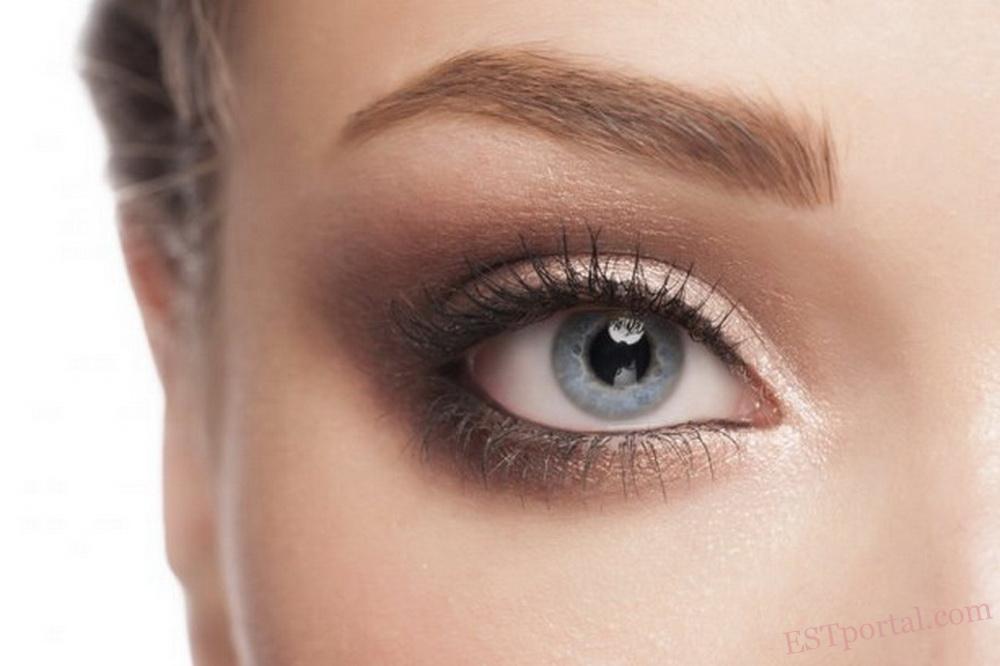
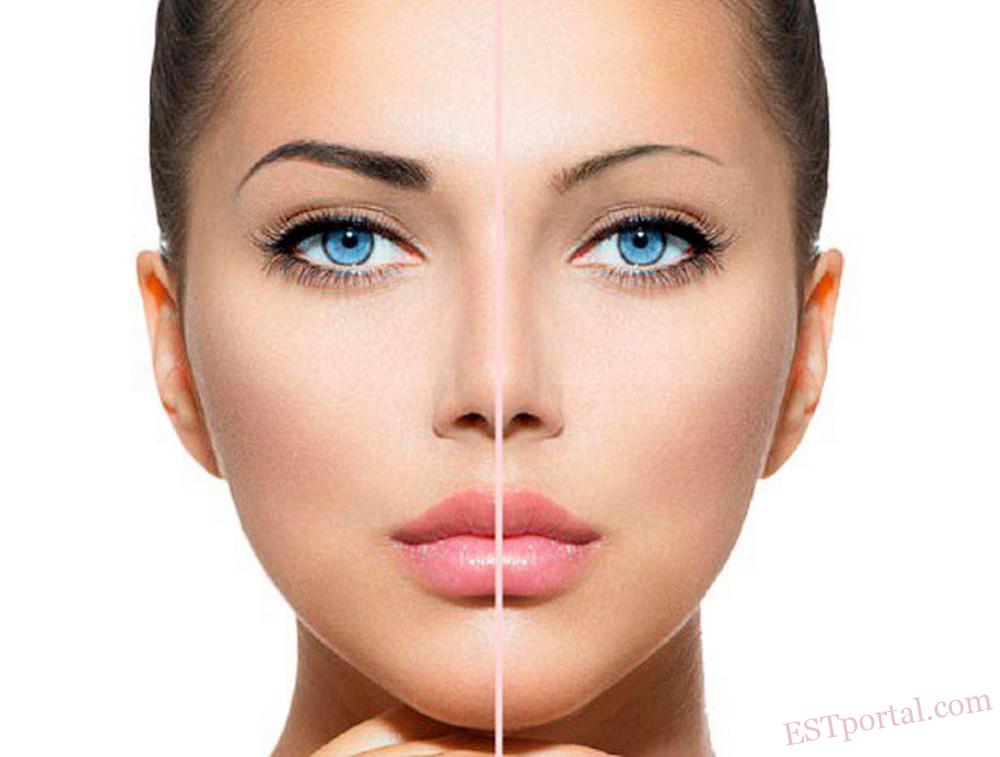
More and more often, clients ask permanent makeup artists to achieve a soft shading effect, as if eyeshadow had been applied to natural eyebrows. The powder brows technique allows the pigment to be implanted shallowly and transparently, making such eyebrows difficult to distinguish from those enhanced with a pencil, even upon close inspection. In addition to the application technique, this type of tattooing creates a natural look because it does not require shaving the hairs. During the procedure, the artist softly blends the pigment into the upper layer of the epidermis using a special tool. A constantly vibrating machine, as used in classic tattooing, is not applied here. Therefore, one of the main advantages of this type of permanent makeup is minimal skin trauma and an almost complete absence of pain. This simplifies the skin regeneration process and minimizes color loss.
Immediately after the procedure, the eyebrows appear covered with small dots. During the skin recovery process, scabs form very rarely compared to classic tattooing; however, increased flaking may be observed. The powder shading procedure itself and its application technique allow the client to achieve the effect of tinted, voluminous eyebrows and a natural look due to the absence of a defined contour, as well as the possibility of adjusting the result. The effect of powder brows lasts from one to two years, allowing women to continually change their appearance and keep up with new fashion trends.
Is it painful to get powder brows?
A key feature of the powder brows technique is the superficial implantation of pigment into the skin at a depth of no more than 0.8 mm. As a result, this minimally traumatizes the dermis and makes the procedure one of the least painful compared to classic tattooing. However, permanent makeup inevitably involves skin injury, so discomfort cannot be completely eliminated. To minimize pain, permanent makeup artists apply lidocaine-based anesthetic products before the procedure to reduce discomfort. To ensure maximum comfort during the powder brows procedure, some studios, such as LBar Studio, perform anesthesia in two stages: the first before the procedure begins, and the second during the procedure itself. This significantly reduces pain and allows the client to relax.
Procedure conditions: contraindications and preparation
The powder brows procedure, as well as any other type of permanent makeup, is strictly contraindicated for individuals with the following conditions:
- AIDS;
- viral hepatitis;
- hemophilia (poor blood clotting);
- allergy to pigment;
- decompensated diabetes mellitus.
The procedure should also not be performed on individuals who have warts or moles in the eyebrow area.
Temporary contraindications:
- pregnancy;
- breastfeeding;
- menstruation;
- herpes in the acute stage;
- plastic surgery performed less than 6 months ago.
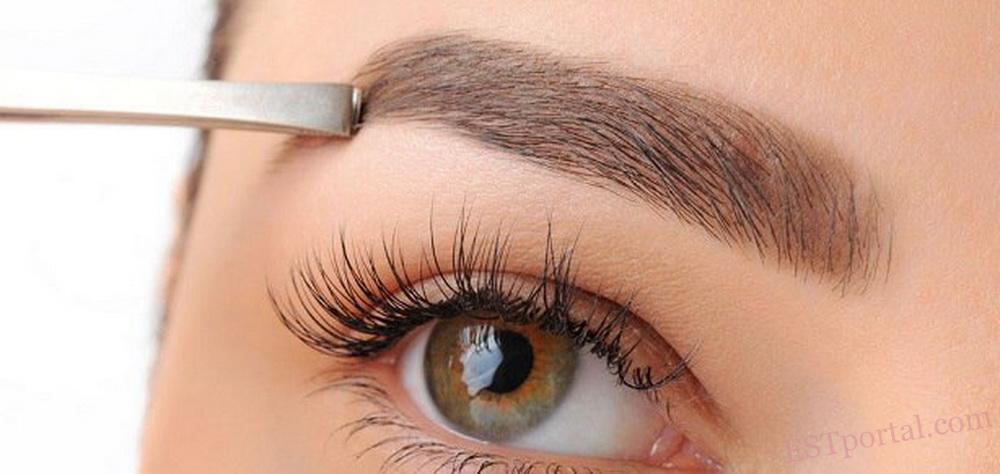
The preparation process for a powder brows procedure, as with any other cosmetic treatment, is an extremely important stage, as the quality of the procedure itself and the final result depend on it.
- It is recommended to perform tattooing at the beginning or in the middle of the menstrual cycle, when the pain threshold is higher and sensitivity to pain is lower.
- Before the procedure, an allergy test for the pigment is mandatory, although intolerance to such substances is extremely rare.
- Ten days prior to the powder brows procedure, all cosmetic treatments (massage sessions, mesotherapy, etc.), as well as sun exposure and ultraviolet radiation, should be discontinued. The use of oily creams on the skin should also be stopped.
- Two days before the procedure, herpes prophylaxis should be initiated using antiviral medications. According to specialist recommendations, the simplest and most reliable preventive approach is the administration of acyclic nucleosides starting 1–2 days before the procedure and continuing for one week afterward: Acyclovir, Zovirax, or Virolex — 400 mg twice daily, or Valtrex — 500 mg once daily. An alternative option is Famvir at a dose of 250 mg per day. Topical use of creams and cosmetic balms is ineffective as a preventive measure but is necessary in cases of active herpetic skin manifestations.
- Twenty-four hours prior to the procedure, all energy drinks containing caffeine should be completely avoided. Highly salted and spicy foods should also be excluded from the diet. It is recommended to reduce fluid intake during this period to minimize facial swelling after the procedure. Alcohol consumption and smoking are strictly discouraged within 24 hours before the appointment, as nicotine and alcohol may reduce the effectiveness of anesthesia.
Eyebrow care after the procedure
After eyebrow pigmentation, it is recommended to apply special creams or ointments in a thin layer to the damaged skin to promote healing of the affected areas. It is important to be very careful with the amount of cream or ointment used: applying too thick a layer may soften the scab, causing it to fall off and compromise the integrity of the tattoo. At the same time, excessive dryness of the skin should also be avoided, as it may crack and negatively affect the result. It is important to note that self-medication and independent selection of products are not recommended; therefore, be sure to consult your technician regarding which creams or ointments are best suited for your specific case.
As for the scab, if it does form, it should be allowed to heal and fall off naturally, which usually takes no more than one week. Complete skin recovery typically requires one to one and a half months, depending on the client’s age, overall health, and skin condition.
During the period of external healing of the treated skin area (approximately one week after the procedure), it is recommended to avoid the local use of any decorative cosmetics. This is primarily because cosmetic products may slow down the skin regeneration process, and the scab may be disrupted when makeup is removed from the face. For two weeks following the powder brows procedure, physical activity as well as visits to the sauna, steam room, and swimming pool should be avoided.
In addition to direct care of the tattooed skin, it is essential to take into account the specific season in which you choose to enhance your eyebrows. For example, in winter, the tattoo should be protected from cold and wind, and the scab should be shielded from friction caused by hats or scarves. Summer also has its own care considerations for a “fresh” tattoo: it is important to protect it from direct sunlight with caps or hats and to use sunscreen products to prevent ultraviolet exposure. During the summer months, it is also crucial to protect the tattooed area from sweat and dust. Permanent makeup serves as a real lifesaver during any vacation, so it is advisable to plan the procedure at least 30 days before traveling.
In cases of pronounced swelling or itching after the procedure, antihistamine medications (Suprastin, Claritin, Loratadine) may be taken.
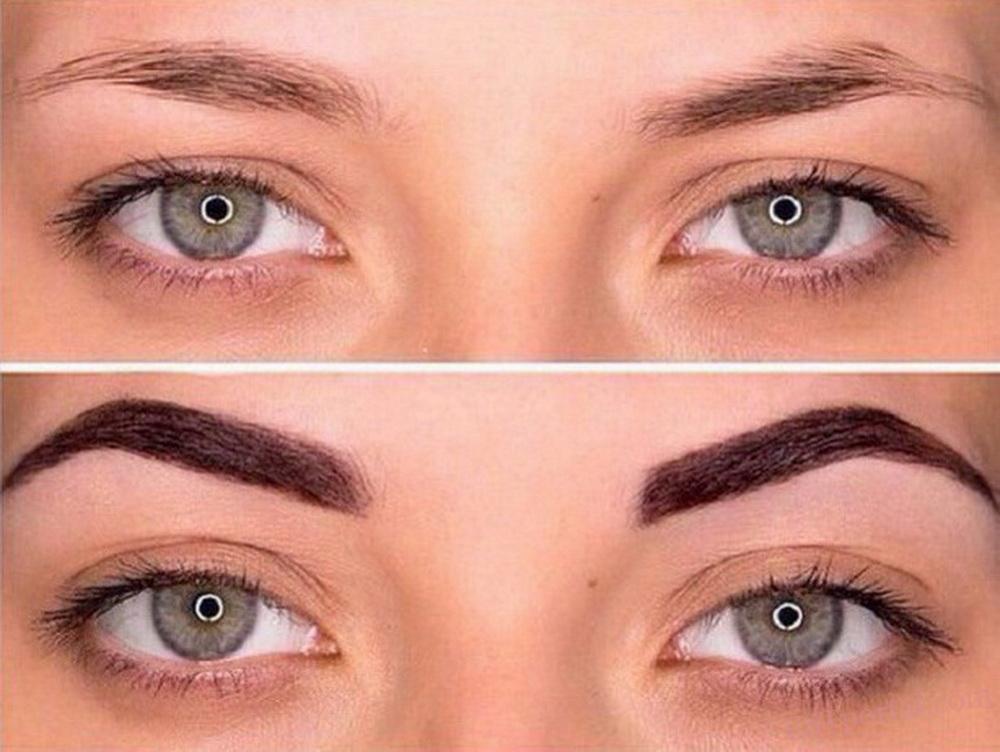
Correction
The correction process is aimed at perfecting the result obtained during the initial tattoo procedure. It is performed no earlier than one month after the primary session, as this is the period required for the damaged epidermis to fully regenerate and the skin to heal. If correction is carried out earlier, it may not only be ineffective but can also compromise the initial result. The main purpose of correction is to extend the longevity of the tattoo and achieve the desired shade. It also serves to eliminate possible color gaps and refine the shape of the eyebrows.
It should also be noted that the initial application of permanent makeup is essentially an “introduction” of the pigment to the skin, which is an organ that varies in color, thickness, and density across different areas. For this reason, after the first subdermal implantation of pigment, the result may not fully meet expectations. The purpose of correction is to extend the longevity of the tattoo, secure the result of the initial procedure, or modify it by making the color more or less intense and more uniform.
How quickly a tattoo fades depends on several factors:
- skin type and characteristics — oily, porous, and firm skin tends to lose pigment faster than dry skin;
- age — the older the client, the more slowly the pigment fades;
- immune system characteristics — a stronger immune response removes pigment from the skin more rapidly than a weaker one.
I have classic eyebrow tattooing. What should I do?
Unfortunately, the powder brows technique does not allow classic eyebrow tattooing to be effectively covered. Some artists still agree to work with such clients; however, they cannot guarantee a good result. Covering classic tattooing with powder brows may require multiple correction sessions, but even then, success is not guaranteed for everyone. Therefore, the ideal solution is laser removal of the classic tattoo, followed by the application of powder brows.
It is important to understand that the final result depends on the quality of the pigment, the depth of its implantation, and the skin type into which it is introduced. By skin type, we mean the color type, which makes it possible to predict how the pigment will behave and which shade it may shift to over time. When pigment is implanted at a depth of 0.3–0.5 mm beneath the skin, unwanted color changes do not appear; however, the result will last only one to two years.
If the pigment is implanted deeper, the effect will last longer, but the eyebrow color may change significantly. All brown pigments are based on red, which is why eyebrows may eventually develop red or orange undertones. As for dark gray and black pigments, they are based on blue, which may cause a bluish tint over time. However, such results are usually seen only in clients who undergo powder brows correction less frequently than once a year.
With regular corrections and proper aftercare of the tattooed areas, powder brows provide a soft, natural enhancement to the overall appearance.
Oleksandra CHETYRKINA