Gel Polish Under the Cuticle: A Disservice
 Share
Share 
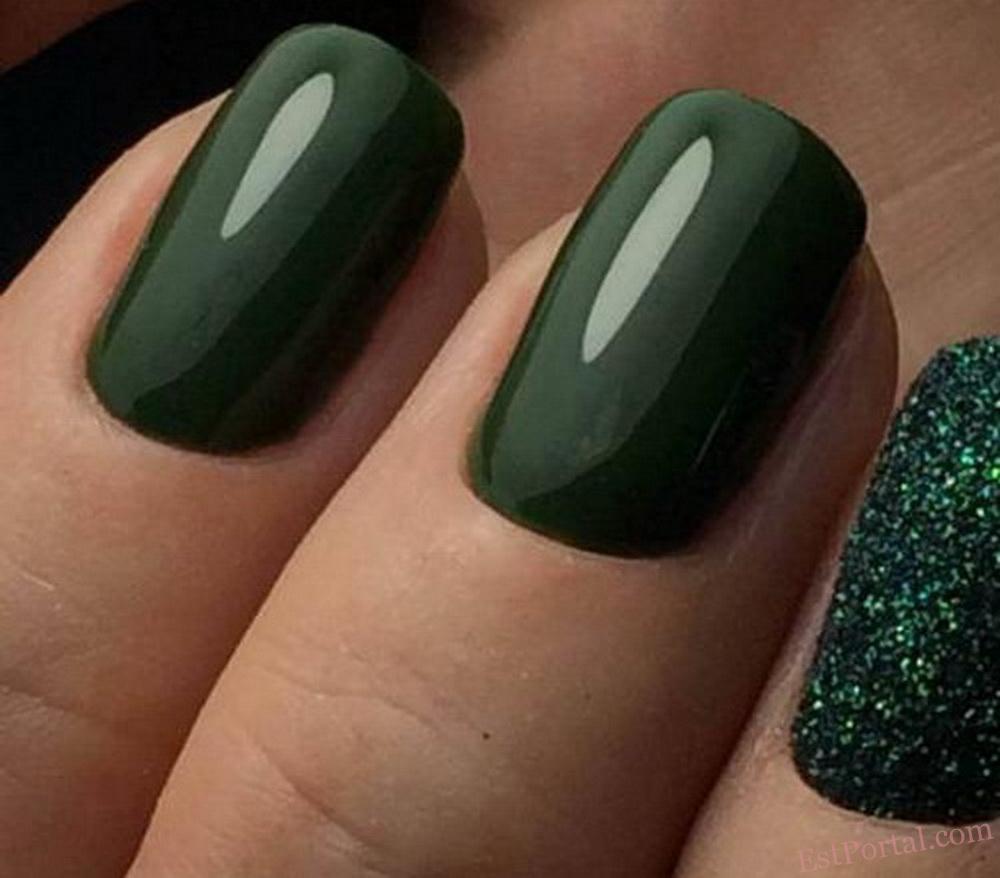
Who hasn’t heard that the pinnacle of skill is a gel polish application that lasts six weeks with almost no visible nail growth? The nail and polish seem to grow together seamlessly!

Schools and online resources teach this technique. Under the hashtag #undercuticle, nail techs proudly share their work, feeling accomplished for staying trendy and innovative.
This trend gained momentum as techs mastered long-lasting gel polish applications that don’t fade, chip, or discolor. To please their clients, they began performing deeper manicures and applying polish further under the proximal fold. It’s a dream come true: get your nails done, head to the beach, and they look great throughout your vacation, with minimal visible regrowth. The client is thrilled, and the tech earns bonus points for their work.
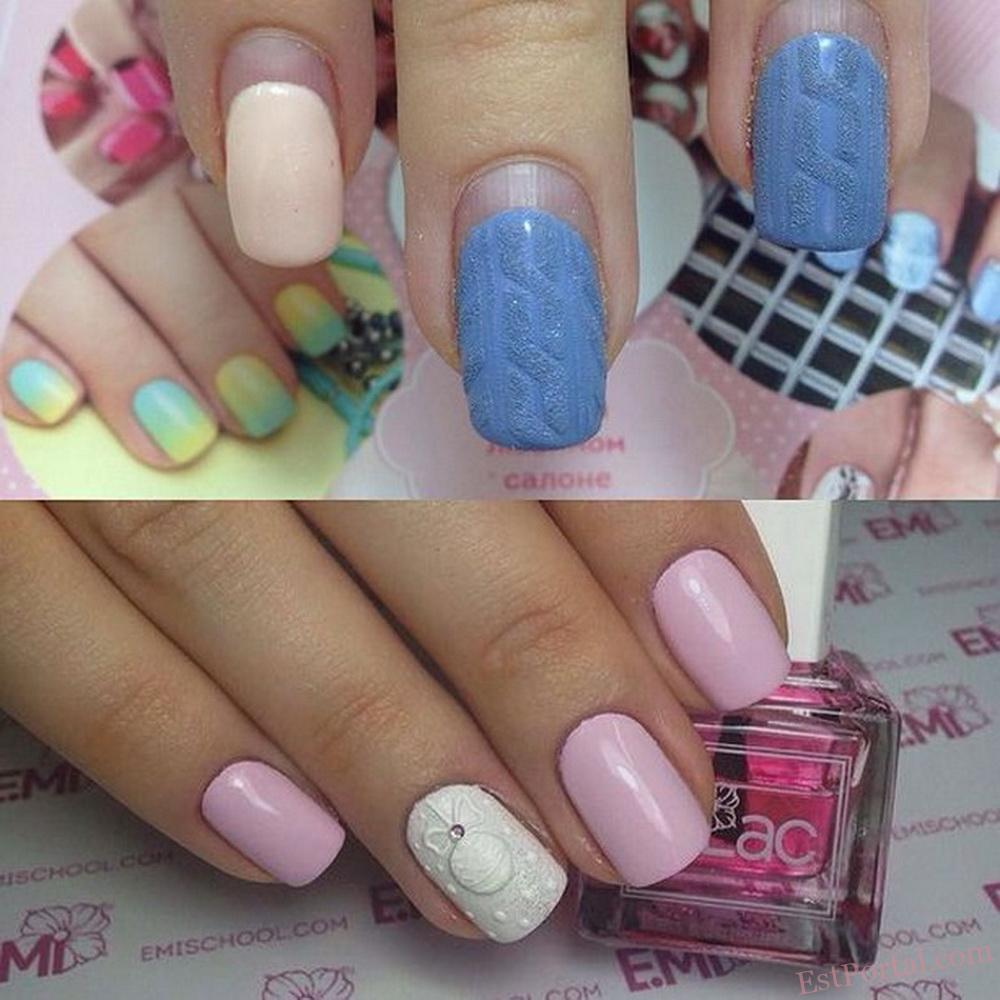
It all sounds great, but let’s talk about the real issues associated with this technique.
Manicure: A Beauty Procedure or a Health Risk?
We must remember that a manicure is a hygienic procedure meant to maintain cleanliness and health. Much of the modern manicurist’s toolkit borrows from medicine, and we should always adhere to the fundamental medical principle:“Do no harm.”
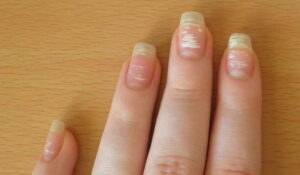
When pushing back the eponychium and cleaning off the pterygium during a manicure, it's crucial not to press on the matrix – the root of the nail –, as this can lead to serious issues with the nail plate later on. Damaging the matrix while removing pterygium from under the eponychium is one of the most common causes of longitudinal ridges on the nail plate. Severe matrix damage can result in these ridges growing out with the nail or, worse, causing permanent changes, such as deep longitudinal cracks.
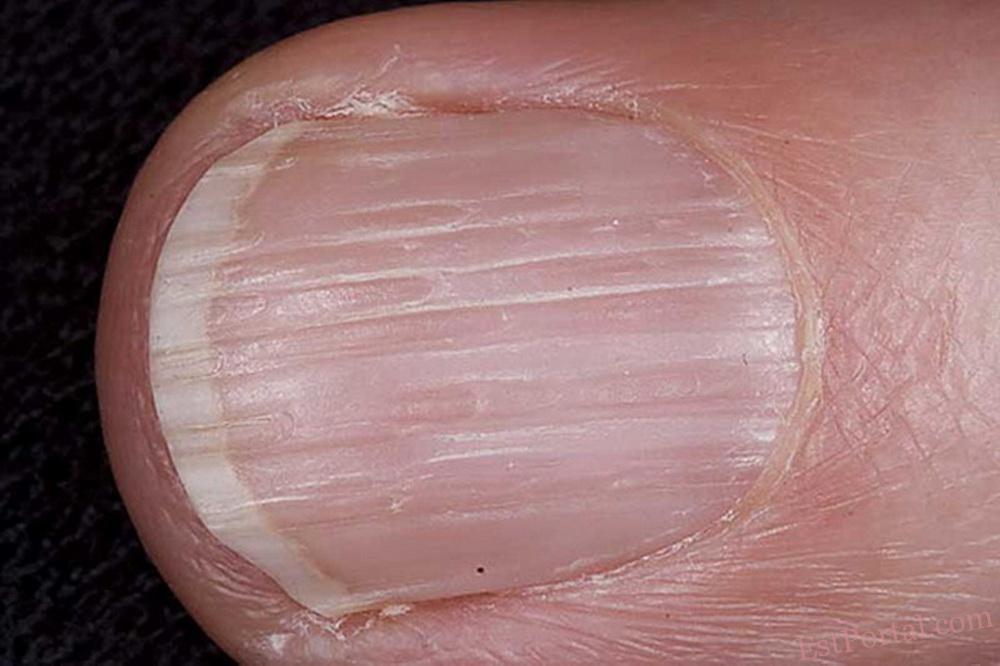
It’s impossible to visually determine the matrix’s length or strength. Even healthy, strong nails can have a fragile matrix susceptible to trauma from minimal pressure. To “do no harm,” always work as if the matrix is short and delicate. Be cautious when working in the cuticle area. Your pusher or drill bit must stay parallel to the nail surface, applying minimal pressure, but in pursuit of a perfectly clean under-the-cuticle area, many techs overlook this.
Under-the-Cuticle Application: Technique and Risks
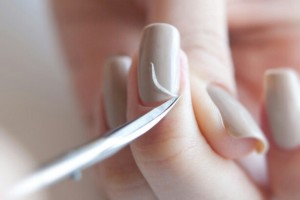
The only way to properly lift the cuticle for painting underneath is with a device that removes keratinized skin cells from the proximal fold. However, many techs stick to classic manicure techniques. In pursuit of the under-cuticle trend, they perform overly deep manicures, pushing back tissue that has already been removed. If the cuticle has been cut and the pterygium cleaned, painting the nail close to the cuticle is fine – but working under it is not. Forcing live tissue away from the nail plate is absolutely unacceptable.
Opening the space under the eponychium creates a pathway for infections, even when sterile tools are used. The cuticle acts as a protective barrier for the nail, and it’s critical to respect this.
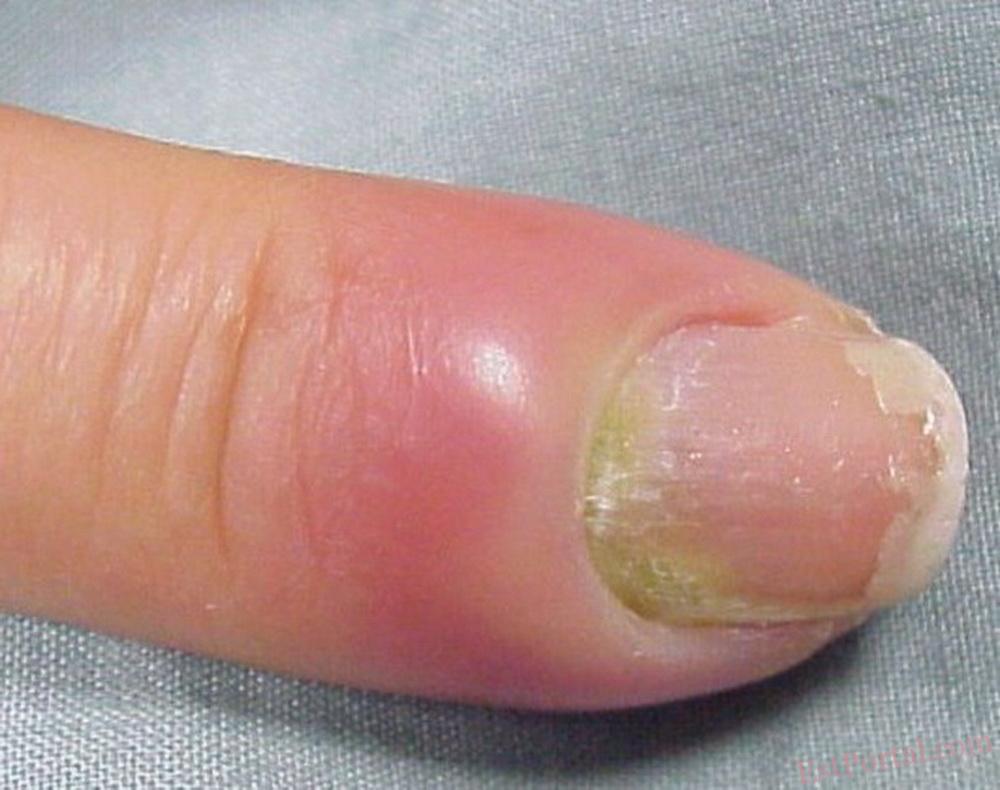
Clients should never experience pain during a manicure. Photos showcasing perfect polish with inflamed nail folds or frequent cuts look concerning. Even seemingly safe tools, like a drill, can cause harm when used improperly.
“Overworn” Gel Polish: A Health Risk
Clients who love under-the-cuticle applications to stretch wear times to 4–6 weeks expose themselves and their techs to significant risks.
Gel polish manufacturers specify that wear time should not exceed 21 days. Beyond that, polymer bonds begin to break down, rendering the polish unfit for wear, even if it looks fine externally. This breakdown releases toxins that can cause allergies. Ignoring the manufacturer’s recommendations virtually guarantees cumulative allergic reactions over time.

Let’s compare this to hair dye. The instructions state that the dye should be rinsed off after 30 minutes. Most people follow this rule to avoid adverse effects like allergies, burns, or unexpected color changes. With gel polish, adhering to proper application and removal protocols is just as essential. What you can’t see with the naked eye isn’t necessarily harmless.
Prolonged wear also poses risks for the nail tech during removal, especially when gel polish is filed off. No matter how effective your ventilation system is, dust containing toxic particles inevitably comes into contact with your skin and enters your respiratory system. If clients routinely delay corrections, the tech is continuously exposed to these harmful materials. Daily exposure can lead to professional conditions such as allergic dermatitis, eczema, or bronchial asthma.
How to Encourage Timely Corrections?
To encourage clients to come in for corrections every three weeks, consider these strategies:
- Explain the Risks: Clearly communicate why adhering to recommended wear times is crucial. Educating clients about potential health risks may convince some to schedule appointments more frequently.
- Adjust Removal Fees: Charge higher fees for removing polish worn beyond 21 days. For example, standard fees apply for up to 21 days, but extended wear incurs additional costs.
- Set Boundaries: If a client refuses to pay extra or come in earlier, suggest they remove their polish elsewhere. Prioritize your health and professionalism. Clients who disregard recommendations and your professional standards may not be worth keeping.
Maintaining your health and professional integrity is paramount. Cultivate a client base that values your expertise and respects your advice.
Stay safe and may you always have understanding clients!
Author: Krystyna LYSOVA – Nail Tech and Nail Design Specialist
Editor: Nataliya CHAYKA – Editor-in-Chief of ESTportal
Translation: Nataliya CHAYKA
First published: 2016
Updated in line with current guidelines and relevant research: 2026